PANS (“Pediatric Acute-onset Neuropsychiatric Syndrome”) is a clinically defined disorder characterized by the sudden onset of obsessive-compulsive symptoms (OCD) or eating restrictions, concomitant with acute behavioral deterioration in at least two designated domains. Comorbid PANS symptoms may include: anxiety, sensory amplification or motor abnormalities, behavioral regression, deterioration in school performance, mood disorder, urinary symptoms and/or sleep disturbances.
PANS does not require a known trigger, although it is believed to be triggered by one or more pathogens. (Source: https://www.pandasppn.org/what-are-pans-pandas/)
PANDAS (“Pediatric Autoimmune Neuropsychiatric Disorders Associated with Streptococcal Infections”) is a subset of PANS and was first reported by a team at the National Institute of Mental Health (part of NIH) in 1998. PANDAS has 5 distinct criteria for diagnosis, including abrupt “overnight” OCD or dramatic, disabling tics; a relapsing-remitting, episodic symptom course; young age at onset (average of 6–7 years); presence of neurologic abnormalities; and temporal association between symptom onset and Group A strep (GAS) infection. The 5 criteria usually are accompanied by similar comorbid symptoms as found in PANS. (Source: https://www.pandasppn.org/what-are-pans-pandas/)
Environmental modification
Using an OT lens to consider how the child's environment may be impacting on the symptoms of the condition and ways in which it can be modified to best support the child at their stage.
Task analysis and modification
Assessing the child at their age and stage to determine how required tasks can be modified to best suit them and how temporary modifications and adaptations in everyday life can be implemented.
Education & Support
Providing education and support to parents, families and other care givers on how this condition affects the child's occupational performance, behaviour and mood.
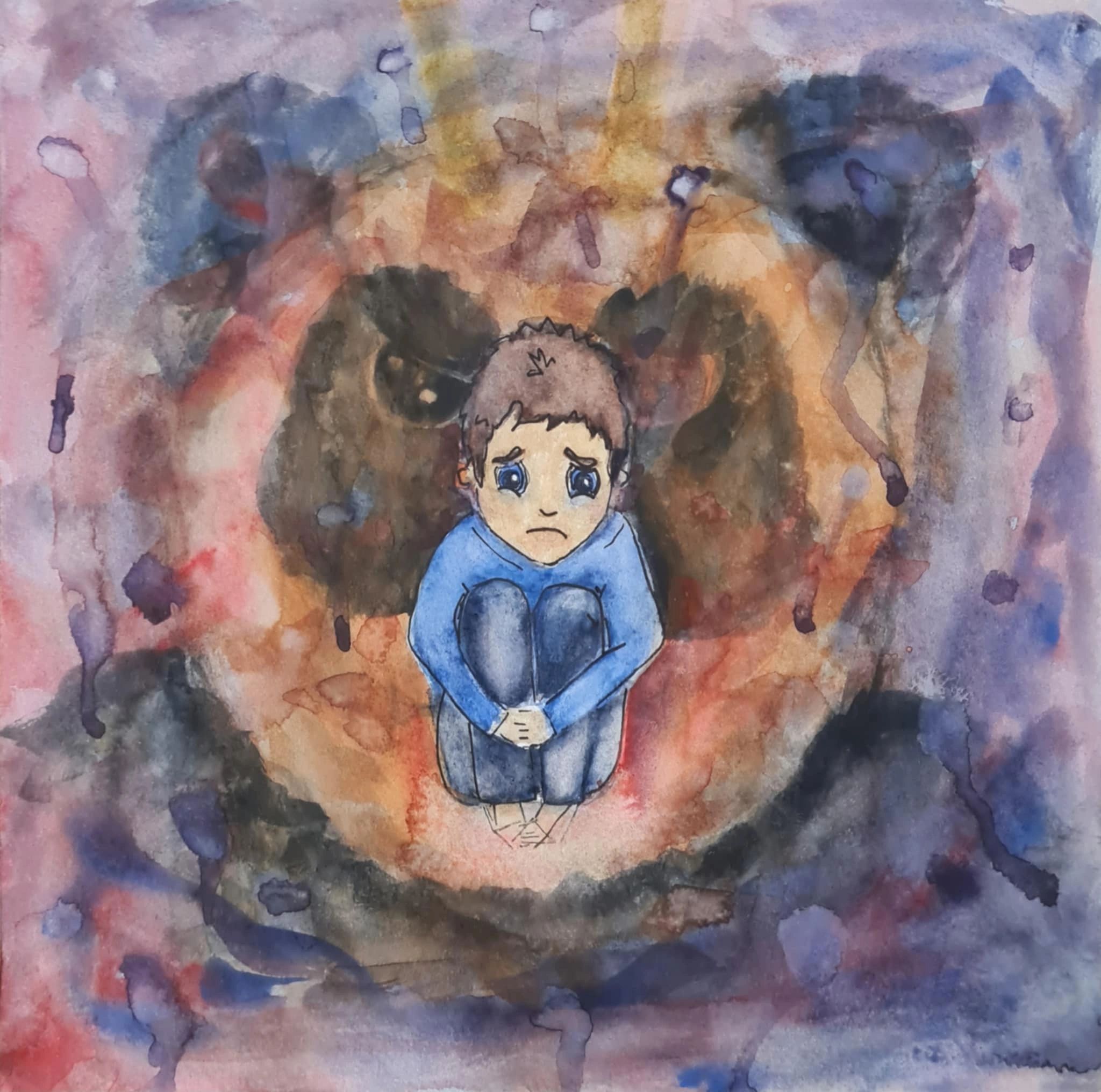
Being a friend to someone with PANS or PANDAS can feel confusing, especially when someone you care about suddenly starts acting differently. In Sometimes I’m Me children learn that their friend is still the same person inside, even when their behaviour changes.
PANS and PANDAS can make a child’s thoughts, feelings and actions change quickly. They may feel scared, upset, or act unkindly, but it is not their fault. They often feel confused or frightened too, and need extra care and understanding.
With gentle words and a hopeful message, Sometimes I’m Me helps children see the person behind the symptoms and reminds them that kindness, patience and friendship really matter.
This gentle and supportive book is a comforting resource for families, schools and anyone wanting to nurture empathy and compassion while a child travels the complex journey of healing with PANS or PANDAS.
Please note dispatch will be completed within 5 business days. Australia Post tracking will be provided.
We use cookies to analyze website traffic and optimize your website experience. By accepting our use of cookies, your data will be aggregated with all other user data.